Adult Visual Novels & Hentai
Free adult visual novels and hentai stories: illustrated branching eroge with choices, multiple endings and explicit scenes. Read online, no signup.
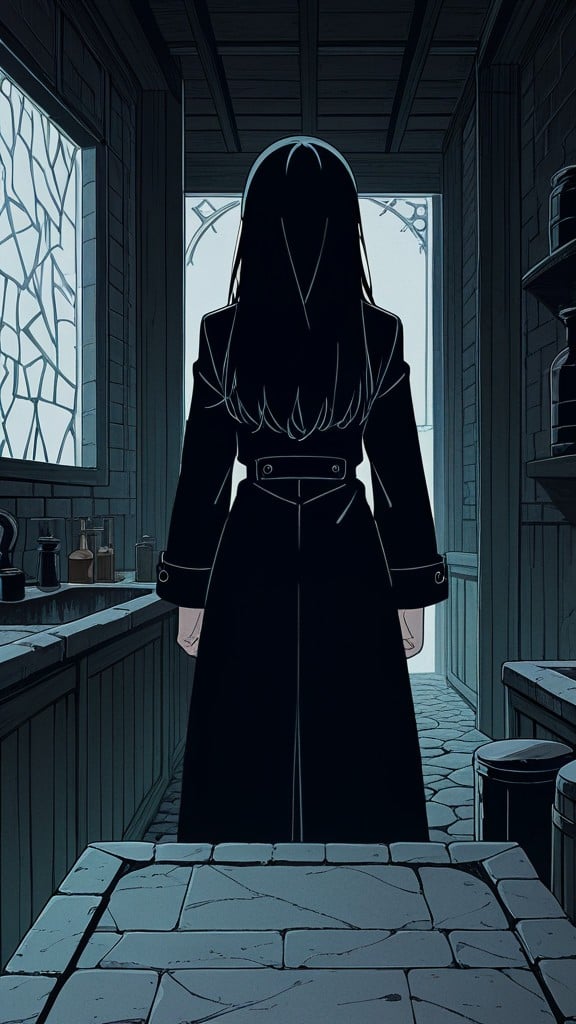
A dye house at a ford, a village that needs green coats for its militia, and a household hired for three days of work that will cost Corvina the use of her arms.
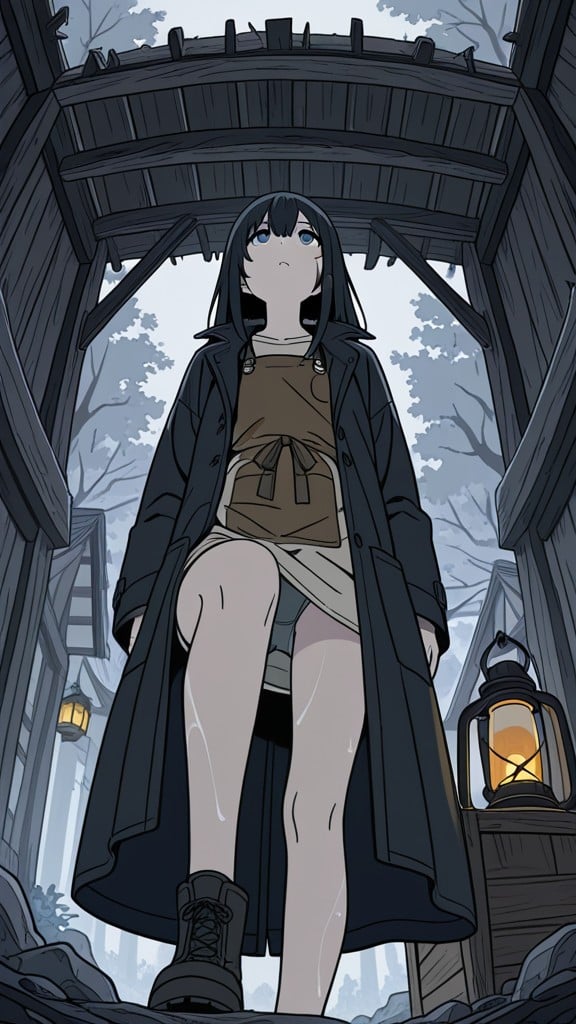
Gravenhollow's household takes winter work at a lead mine above one street, where the water gives a dead man back on the third morning and the hand that sends him down pays nine fathoms of its own breath.
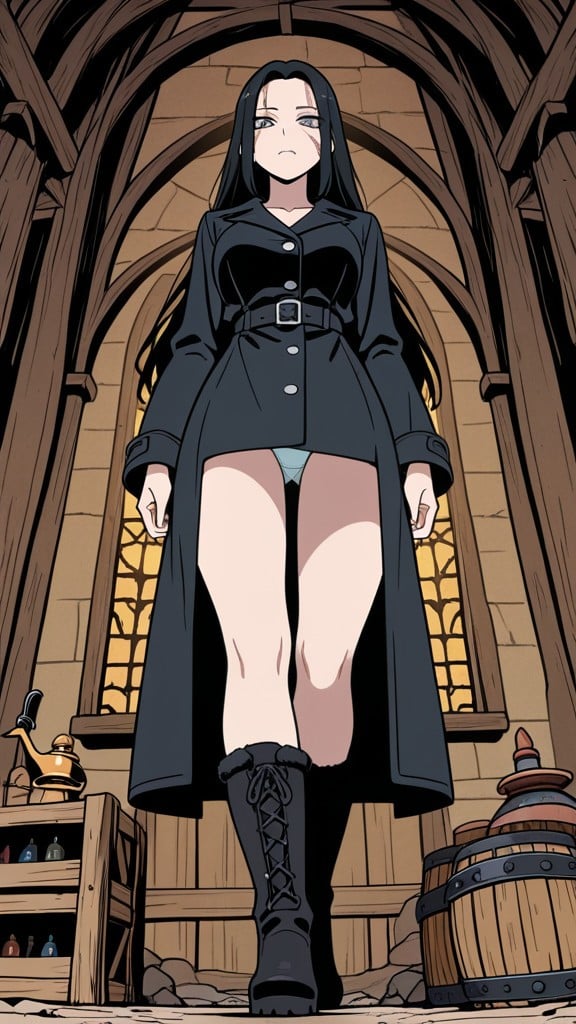
Gravenhollow's household comes down into Mlčava with nothing, where a bowl of rye costs the little finger of your left hand and a crew's sign burned into your arm, and the one man whose skin closes cannot pay it.
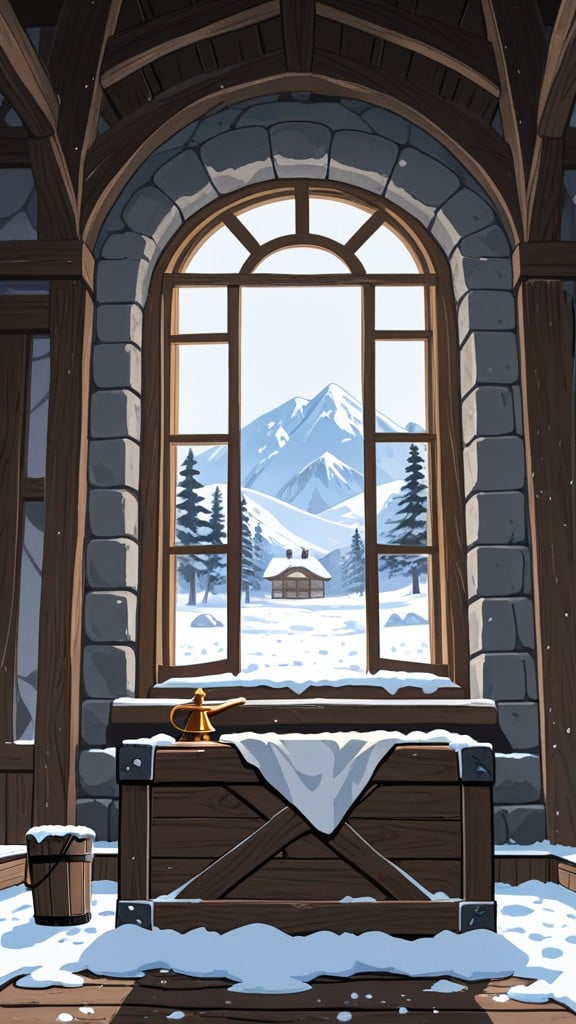
Gravenhollow's five sell their bodies to the Warden at the Head, who takes seed and empties a copper cup into the drain, one share for one sack of grain.
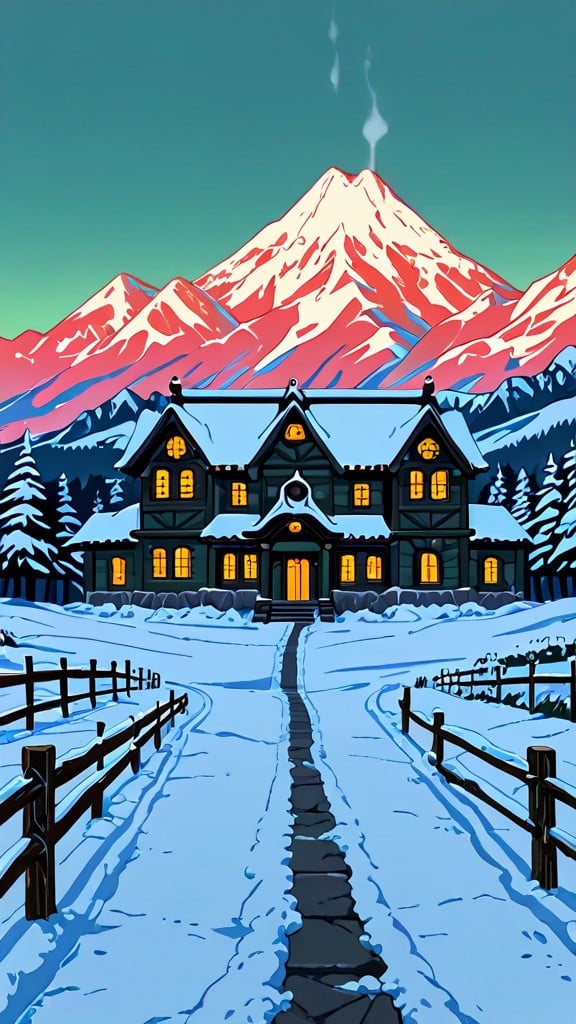
Gravenhollow comes down on a hot rock shelf where the only food is baked with blood, and the household has to buy its loaf with its own arms.
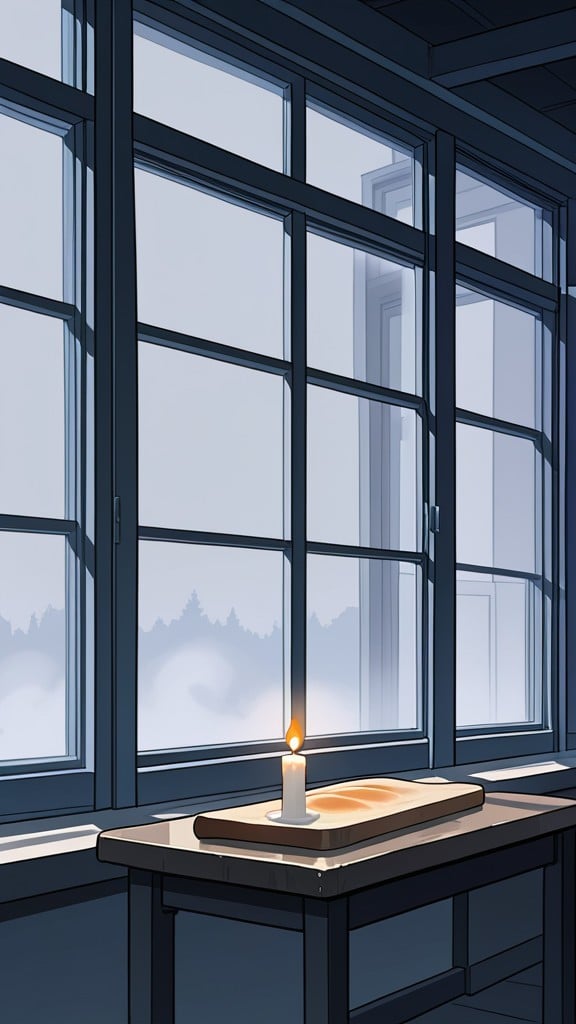
The house lands in a frozen valley where six household names are chalked at dusk, six people stand an hour in the mill race at dawn, and one of the household has been standing in other households' places every morning without telling anyone.
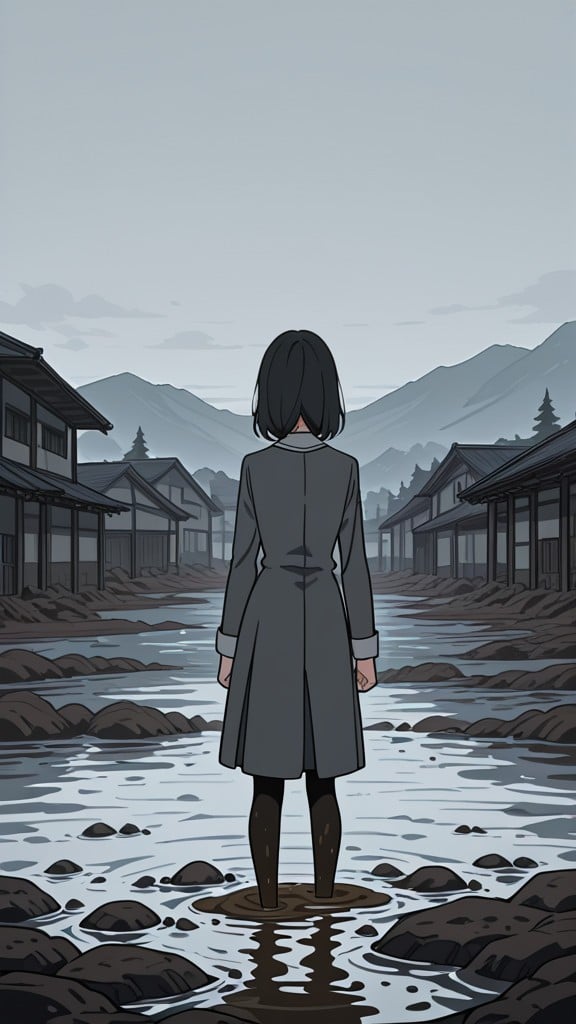
The house lands in a drowned country where the state cooks its dead and calls it a harvest. The household takes work on the collection route because it pays in broth, and four days before the flood one of the owed is still breathing.
Sidonie went to the shop and came back ten minutes later to a school that had been away for two years. The household comes home with salt in their seams, the Ministry comes with a measuring chain, and a fortnight later the fog comes for the house anyway.
A salt marsh, a sunken house dug into a mound, and a north wall of bare mud that takes the heat out of a body pressed against it. Gravenhollow's household comes to the pans for a few nights' coin, and one of them sleeps in the guest bed by that wall.
A river town that pays to keep its dead down, and the newest of Gravenhollow's household out on an errand when the bell goes. The purse that keeps the school open is in Glim, and Glim decides she is cold.
A cider valley above a hungry town. The lowest terrace is kept warm by treading a living body into the crush behind a window, and the town walks its unwanted up to the bridge stone for it. The house is hired for the season, the ford is barred, and the frost is three weeks off.
A white limestone basin where the water runs along a fossil spine and is shared out at a weigh beam. The house signs on to carry ten jars four days down the bone road, and on the third morning a jar is light, a man is convicted, and Mila vanishes between the two people watching her.
A gorge road where the valley ropes its walking dead up the switchbacks every evening; the house is hired to hold the rope, and on the third night there is one more body on it than there was.
A gravel country where gold only comes out of still water, and still water is where the blind thing lives; the household is offered a pool of their own, on condition they feed it every dusk.
A foreland of black shingle where no human has ever lived, a hill of glass that pays a colony in days for the bodies it is given, and five strangers who cannot drink the water.
Gault, a flower town at a ford with eleven glass frames on the slope and a winter crop worth ten times the April money. The school comes out of the grey into the warmest room in the village, and Gault is glad of guests.
Ostrey Bight, a black-shingle spit where the only cash crop is a wine the village cannot make enough of. The school is invited as guests of honour for the vintage, kept quiet for a week, and paid to witness what the cooperative signs for. By the ninth day they know what the trough is for and what it cost to buy a hundred yards of sea wall.
Skarn, story two. A mob comes through the door and the school throws them back with a flash and a bang, and the household learns what they live inside. By dark the lane has decided the house is a power and starts asking to be let in before the Slow Tide takes their roofs. Mila shelters a marked child the country wants planted, Corvina decides who crosses the threshold, and the tide does not wait.

Skarn, story one. The house sits in the grey and votes to stay there for ever rather than open another country, until the water goes and a fall through a stair leaves them hours instead of days. What they find is warm mud and people who are kind, and the kindness is a chair by the fire, and the chair is the execution. They get back inside with water in the well and something hitting the door, and the fog is not due for a day or a week or a fortnight.

Veyl, story six, the last one. Everything outside is dead by morning and the fog is at the end of the lane. The house is sealed and Corvina's ward is holding. Sigra — the tall granddaughter, the last house on Wick Row — has one day left and asks the household for it, and they give it to her one at a time. At dusk Corvina casts the strongest thing she has ever cast to keep her inside. The fog takes her anyway.

Veyl, story five. The Lean is a year off and the sun has stopped behaving: the days do not end, the light burns, and things in the lane wither where they stand. The household are the only people in this country who have ever seen magic, and there is one wand between them — and when Corvina finally casts, the country decides it has a saviour.

Veyl, story four. Besti Tunn asks the house to end it, and the answer is not a mercy but an account: an unpaid Lean does not die with the body, and the parish enters it against the house that kept her. Three women, one old woman who arranges her own end, and a house of six that pays the rest of a Lean a day at a time.

Veyl, story three. Besti Tunn came up owing nothing and now she is going backwards: her teeth loosen, her skin slackens, her bones soften, and it gets worse every day. On the ridge the cub that paid for her Lean is getting younger, shrinking back toward the day it was born, and Hesk the hunter sees it and works out that the method un-pays itself. The house knows what it is doing to Besti and has taken Hollun's retainer. Hesk knows the cub and has taken Hollun's coin. Neither of them knows the whole of it, and the dying man is buying it for himself.

Veyl, story two. The thaw comes, Besti pays her own nine weeks and lives, and the house works out why: two bears and Besti went into the shadow, four came out, and the extra cub aged nine weeks in a breath so the parish's Lean was paid. Nobody in the lane cares enough to ask. One man does - Hollun the salt-factor, old and dying - and he wants to buy the method, not the silence.

Veyl, story one. The house steps out of the gray with an empty bucket into nine weeks without a sun, a country that charges twenty days on a sea wall for the privilege of standing on it, and a shadow the ridge throws that stops everything inside it from spending — wounds, meat, fires, and people. Sigra Tunn is twenty, taller than any of them, and the only person on Wick Row who will say the word out loud: her grandmother is down the cellar stairs, awake, nine weeks into the Lean, and the parish comes at thaw to count what a house has been keeping. She asks the household to carry her up, and then she gives the order herself.

Karrow, story three, and the last of it. The lane is still drinking chalk, the household still carries the only clean buckets, and the fog is one ridge off with days on it. Then the cellar frame — the one the fog came up through in the first story — opens on a room that is on no plan of that house at all, and the room has water in it: cold, clean, and older than the lime. Mila drinks first, because she is the one Karrow is already inside, and the chalk taste does not leave her mouth. What the household has to decide, with a two weeks become days, is whether a room like that belongs to five people, to a lane, or to nobody.

Karrow, story two. The well is sealed under quicklime and the household buys water by the bucket, and a woman on the lane will not take a cup from any bucket they carry. She is right not to. Something is in the water, and it comes on the tongue first like bread gone wrong, then the belly, then the white in the stool. No hearing, no ledger — a mouth that will not close and a ladder of work where a hearth with no cistern drops a rung for every day it goes thirsty.
Karrow, story one. It opens the night the fog closes: Nessa taken in the cellar, the crate full by morning, and three days of drinking it in a shuttered house before they put a boot outside into a country they have never seen. Karrow begins with an empty crate, an empty cistern and no name on the Hearth Roll. Karrowin count by hearth, not head: a household is a cistern, and pouring water for somebody uncounted is the one crime the town quicklimes you for. Hungry, refused at every door, they steal what they eat. Three of the women pour for each other, a staked man comes to the door with a water skin and a price, and Porter answers it with his hands.

Hask, story three, and the last of it. The assize rules the wax inconclusive, the Officer keeps his post, and the pan goes back to the Office, which leaves a household of five with one cellar and twelve bottles. Nessa is the sixth mouth and the only one not on the roll, and every week she is not counted she becomes a little less theirs. When the fog comes over the ridge the house seals, and the house has always been the one thing they trusted to keep somebody out. It does not. The five who are household are untouched. The girl in the cellar, holding their glass, is not.

Hask, story two. Four heads on the Pan Office roll and a license that lapses unless a man goes under the bell and the Office judges the dive clean. A woman on the quay at Hask Staithe cannot say her own name, and the household knows her: Mila, who left their world on a Ministry placement in June and does not know one of their faces. She has been kept alive for a month by a girl of eighteen called Nessa, and Nessa wants her, and Porter wants Nessa, and by the end the house has six mouths and five heads in it. The air line was cut once already, by a knife that came off a belt at the count, and the collar that took the air was nicked, not cut.

Ovessk ends the way every country ends: the fog comes in, the house is sealed, the twelve bottles are drunk and one of the household steps out. What is outside is Hask, nine raised shorelines above a five-meter tide, where all the brine under the flats belongs to the Pan Office and the Office takes the first basket in eight. The house is not a house there. It is an unlicensed pan with a well, and it is staked at four corners before anyone has unpacked. Porter has no pan license, so the only work left is the bell: five to seven fathoms down the Needle for twenty-five minutes while four boys pump air down leather hoses and the tide turns. Malfoid holds the household name on the eighth basket, and the eighth basket weighs more than the pan can yield.

A house off the stake-lines has no water right, and the keeper's line at Kell Ford has been full since 2007 in a hand nobody in the trough can read. Corvina can read it, because the same hand wrote a name in her parish book last night. The name is Asta, and Asta is six and dying in the Long Room with her mother's name unsaid over her. The town's only cure is to say a dead woman's name aloud, and a household that says one has its water poured out and no cup shared with it until the flood.

A fresh lineup sheet arrives with a fifth line ruled blank and two ruled lines at the foot, and one of them is not the witness. The floor under the house marks the woman it wants, and a marked woman may still refuse; if she does, the keeper line takes whoever writes on it. Corvina sat that bench at twenty-two, was refused for the wax on her hands, and has told the parish for nineteen years that she did the refusing. This year she volunteers again, Porter signs the top line, and the man standing in the hall with black hands has been waiting since 2007 for someone to read the second one out loud.

There is a notice on the parish board: a woman escaped the Ministry hospital at Coldharbour on the night this house was not where it should have been, forty-one years old, black to the wrist, no name on the file. Corvina is forty-one, has no name in the parish book, and cannot get her hands clean. On Saturday the parish produces five women for a witness to walk past, and the household has five days to make its keeper into a woman nobody would pick out of a line. Malfoid has to teach her to answer to a name, to hold a hand in daylight, and to be looked at by strangers. Mione has to find out what is blacking her hands every morning, and the answer is standing on the cellar sill.

Twelve bottles every dawn for eleven mornings, and the pump in the scullery has been dry since the third. The fog has never come closer than the wall — but this morning it has gone the other way, and there is country behind it: rows and rows of vines, all grafted from one root, running to the horizon under a sky with no sun. At the end of one row a light is on in a window, and the woman in that house has black hands and calls Corvina the eleventh.

A crate of wine arrives at Gravenhollow from the estate of a dead Ministry registrar, with a note asking that it be drunk in the room it came from. The house has no cellar. Corvina finds one anyway, with a stone sill in it and a free-standing stone frame standing on the earth with nothing behind it, and outside a fog that has eaten everything it can reach and will not let a body into it. The crate holds twelve and it fills again at dawn, but only if it was emptied — one bottle goes to the sill for every excursion that changes the world, and the rest have to go down somebody.

There are twelve doors on the top corridor, one knocks a night, and the rule painted in the entrance hall says a guest is never refused. Everybody who opens a door can never warm themselves again: fire does nothing for them, and only another person's skin reaches them. Corvina was thirteen behind door one the first November it happened, and she did not open it, and she has been warm ever since, which is exactly what makes her the house.

Below the third stair of the undercroft, a name spoken out loud is a name given. Corvina has none: hers went in 2007 and she has answered to the house ever since. Malfoid goes down to prove it is a rumor and says Mione's name to end a turf war, and the room takes the name and leaves the woman standing there. The ledger says a lost name can be given back by a person who recognizes its owner in the dark, with their hands, and says it out loud where it was taken.

Sidonie broke her right wrist going up for a ball she had no business going up for, and the plaster comes off in six weeks. In this house rank is competence, and every ordinary thing now takes two hands: buttons, laces, pens, doors, her own hair. She will not admit she needs help, so somebody has to volunteer to be her hands. Mione volunteers first. Malfoid volunteers over her, and names her price.

The bond forbids her being out of her room after curfew unaccompanied, and the register says she was alone, because she would not give a second name. Porter is the only person who can put one there, and saying it costs him the one thing he owns. She will not ask him. She spends three nights proving she does not need to, using Mione to say it to his face without a word.

The charter gives the heir of the house one night a year with the full authority of the household. Anything she commands tonight is lawful, binding at dawn and cannot be appealed, and it has been held by a Malfoid every year since 1604 and always spent on something dull. This year it is hers, and she has been planning it since September, and every command burns one thing off her own list.

It eats what you feel and it has no face. For nine years it has been tethered to Corvina and fed on her, and now it has begun following a girl who has spent her whole life afraid and hiding it. The tether goes to whoever feels most at the moment of feeding, and the only way to move it is to out-feel somebody on purpose.

A lesson goes wrong and two people are bound for fourteen months: what one of them feels, the other feels, at any distance, whether they want to or not. There is no clause to appeal and nothing to sign. The only rule is the one they invent themselves, which is that neither of them may be surprised.

The coal ran out on a Tuesday and Gravenhollow has one fireplace that draws. Corvina lays it at nine and it is out by four, and anything between those hours is hers to give away. There is no rota and no rule about who lies where, which is the only part of the arrangement anybody bothers to remember in the morning.

The inventory of Gravenhollow has recorded every act the house has witnessed since 1604, and an unanswered page will not let you leave the room. There is one page left. It is about Mione. Malfoid has four days to close it, a house that will do what she tells it, and no page at all for the two people she actually wants.

Gravenhollow's charter requires a choir of not fewer than four, and the choir rehearses in the boathouse because the school has no other room with a ceiling high enough. Something under the lake has been learning the parts. It sings back a beat late, then a beat early, then in a voice none of them recognise as their own. The rule that keeps it under the water is old and simple and written in the margin: one voice must be sounding at all times.

Mione receives a letter addressed in her own handwriting, postmarked forty years from now, and it describes her day correctly down to the weather. Ministry standing order 12: correspondence from an unregistered sender must be answered within seven days, and each answer must prove the sender is who they claim to be. The letter asks. It asks better every time.

The astronomy tower has one telescope and it has never once shown tonight's sky. It shows a sky forty years out, and something in that sky is changing its position between viewings by more than the sky should. Ministry regulation 1604/9 requires every observation to be logged, witnessed and signed by two people in physical contact for the duration of the viewing. The regulation was written to stop boys falsifying star charts. Nobody has ever repealed it.

An ancestor of Corvina's kept a book of every act this house has witnessed, and the book is not a record, it is a demand. There is one page unfinished. An unanswered page will not let anybody leave the room it is open in, and it has been open on a desk in the library since 1604, and it asks what was done here, and it will not accept a description.

Gravenhollow has four hundred windows and coal for two of them. Porter is the Ministry's witness and the Ministry requires him to stay thirty consecutive nights under this roof, which is legally significant later. The estate cannot heat him. It holds a hospitality obligation four hundred years old, and the obligation says a householder who cannot warm a guest must warm him by the body, and the schedule names the place, and the schedule is a form that has to be completed.

The deed comes back from the Ministry with one clause still alive and a date in the margin. It needs three seals. A seal is wax, and wax on a deed must be warmed by body heat, because a flame cracks it and a cracked seal is void. The schedule that says so was written in 1604 and calls the place the keeping of the seal, and it does not use a plainer word because the man who wrote it did not have one.

Twelve rooms on the top corridor have blinds, and everything behind a blind is unobservable, and everything unobservable cannot be filed. Rank one gets one. Rab Ferris has never been in a room with a blind in it. Deacon Hoyle wants in and is not going to be asked. There are three people on the top corridor on a Thursday night and only one of them can leave without counting.

Halvard was rank three in his own year and then he was twenty-six and finished, and now he is the formality that decides whether a formality happens. Every report on the near bank passes his desk before it crosses the bridge. He has four years of other people's Friday afternoons in a drawer and one student who has worked out that he is the only person in the building who can be leaned on.

Deacon Hoyle has been rank two for two years and he can tell you the exact number of people who have watched him lose. He has decided that the problem is not the losing but the venue, and he has spent a month working out which behaviour in the yard is worth the most to a clerk. On Friday he is going to do it in front of the whole school. The only thing he has not worked out is what it costs the person helping him.

Rab Ferris is at one hundred and eighty-seven and the line is two hundred, and Friday is six days away. The regulations run to four hundred and six pages and everybody quotes page one. On page three hundred and eleven there is a sentence about who is allowed to file a report, and it says the report must be countersigned by the student it concerns. Nobody can file on Rab without Rab's agreement. Nobody has agreed to anything yet.

The harbour was built in 1911 on a covenant: one night a year the town gives the sea a body, chosen by lot, and the deed is specific about what the sea collects. It does not take a life. It takes a night, and it gives back everything you have ever wanted, and in the morning it takes the memory and leaves the person beside you holding it alone. This year the lot came up Mila.

The estate's debt can be settled in term: hours off the end of a life, surrendered by a willing body asleep in the term bed. Hours only come from someone who is sleeping well, and nobody sleeps well alone in that room. Malfoid has eleven thousand pounds of debt and one short life, and the market closes on the fourteenth.

An 1894 covenant makes the hedge maze a boundary feature, and the title to the estate passes to whoever is still inside the boundary at daybreak. The maze redraws itself every night and it opens toward whatever you want most, which is how it keeps people in. There is also somebody in it with a pair of shears.

An 1861 bequest pays for the school on condition that the curfew bell is rung by hand on the last night of every quarter. The ordinance is exact: whoever holds the rope when the bell stops is of the house. The bell does not stop for anyone who is still deciding. It has been one body short since 2011.

Her father's betrothal contract has a penalty clause nobody read to the end: an unfulfilled betrothal leaves a fetch in the house, shaped like the person the survivor wants most. It knows every filthy thing you have never said, it says them for you, and it will not go until you say one of them to the real woman.